
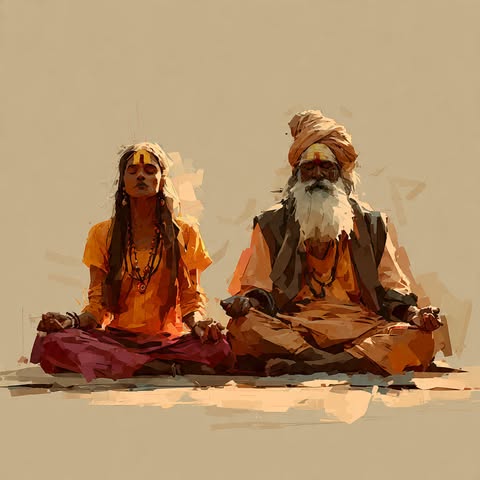
The true meaning of yoga
by Perle Franken, Holistic healer, perlezen.com
“Yoga is like music: the rhythm of the body, the melody of the mind, and the harmony of the soul create the symphony of life.”
B.K.S. Iyengar, Light on Life
As a yoga instructor, I observed that yoga has increasingly been reduced to a fitness exercise, and much of its rich traditional meaning and purpose has been ignored. Yoga is an ancient practice whose ultimate goal is to attain unity with the Divine, or higher consciousness. More than 2,500 years ago, the rishi (sage) Maharshi Patanjali was the first to systematize these already ancient practices into 196 Yoga Sutras. This text became the foundation of yoga as it is practiced today.
There is four path of yoga:
Bakti Yoga: the yoga of devotion
Jhana yoga: the yoga of knowledge, the philosophical approach
Karma yoga: the yoga of action, the selfless service
Raja yoga: the yoga of mind control, the scientific approach
Compiled by Patanjali, Raja yoga can be divided into eight interconnected limbs. Practicing them helps us experience divine consciousness and eternal bliss.
The Eight Limbs of Raja Yoga
1. Yamas – Restraints
The Yamas are ethical guidelines that teach restraint and conscious living. They include:
● Ahimsa (non-violence, non injury)
● Satya (truthfulness in both words and actions)
● Asteya (non-stealing)
● Brahmacharya (chastity, sublimation of the sexual energy)
● Aparigraha (non-coveting, contentment with what is)
2. Niyamas: Observances
The Niyamas are personal practices that cultivate inner discipline and help us uphold
dharma, the cosmic law underlying right behavior and social harmony. The five Niya are:
● Shaucha (purification and cleanliness)
● Santosha (happiness, contentment)
●Tapas (austerity and self-discipline)
●Svadhyaya (study of religious scripture)
●Ishvara pranidhana (devotion or surrender to the Divine)
3. Asanas: Physical postures
This is the limb most commonly associated with yoga today. The purpose of asanas is not only to develop strength, flexibility, and health, but also to prepare the body for meditation by cultivating steadiness and ease.
4. Pranayama: Control of breath
Through conscious breathing techniques, pranayama increases vitality, balances the nervous system, and clears the mind
5. Pratyahara: Conscious withdrawal of the senses from objects
Through meditation, the senses are withdrawn from external objects and directed inwards towards the consciousness.
6. Dharana: Concentration
By focusing the mind on a single point, inner conflict dissolves. The mind becomes calm, present, and unified. Mantras are often used to support this practice.
7. Dhyana: Meditation
As concentration deepens, meditation arises naturally. Observing the mind as it becomes still can eventually lead to Samadhi.
8. Samadhi: Supra conscious state
Samadhi is the ultimate state of consciousness—complete absorption in our true nature, beyond ego and separation.
Yoga Beyond Fitness
I am grateful that Hatha yoga, or postural yoga, has become so popular, as many people benefit from it physically and mentally. Yogic asanas cultivate strength, flexibility, and balance in an intelligent and integrated way. They build long, lean muscles, stimulate internal organs, flush toxins from the body, and promote vitality and longevity.
The sequencing of postures follows a precise logic of expansion and contraction, strengthening and stretching, activation and release. The nervous system becomes calmer, and the mind more focused. At the end of a practice, Savasana (corpse pose) allows the body to fully integrate and recharge, preventing excess lactic acid buildup and restoring equilibrium.
Over time, various schools of yoga have emerged from Patanjali’s teachings. They may differ in emphasis—some use props, some prioritize pranayama before or after asanas, some emphasize standing postures while others focus on relaxation—but when rooted in the wisdom of the ancient sages, all offer profound benefits.
Yoga is accessible to everyone, regardless of age, strength, or flexibility. My advice is to seek instruction from a teacher deeply grounded in traditional yoga—one who teaches not only asanas, but also pranayama, philosophy, and meditation. Yoga that limits itself to gym-style exercise misses its deeper purpose.
Yoga is a way of life. It integrates physical movement, conscious breathing, mindful nutrition, meditation, and positive thinking to support personal growth, self-realization, and inner peace.