
As winter approaches, our bodies and minds can feel the effects of the cold, dry air. According to Ayurveda, the ancient Indian system of medicine and wellness, winter is a time of Kapha imbalance, characterized by increased phlegm, congestion, and stiffness. However, with the right strategies and self-care practices, we can adapt to the season and maintain balance and well-being.
Understand Your Dosha
In Ayurveda, each individual has a unique constitution, or dosha, which influences how they respond to the seasons. During winter, Vata and Kapha types may experience more pronounced symptoms, such as dry skin, joint pain, and congestion. Pitta types, on the other hand, may feel more energized and focused.
Dietary Recommendations
To balance the cold and dry qualities of winter, focus on warm, nourishing foods that promote moisture and vitality. Some beneficial foods include:
• Warm, oily dishes like soups, stews, and curries
• Whole grains like oats, quinoa, and brown rice
• Nourishing vegetables like sweet potatoes, carrots, and squash
• Healthy fats like ghee (clarified butter), sunflower and mustard oil
• Warming spices like ginger, cinnamon, and cloves
Self-Care Practices
In addition to dietary changes, incorporate the following self-care practices to help you adapt to winter:
• Abhyanga (Oil Massage): Massage your skin with warm oil, like sesame or mustard seed oil, to nourish and moisturize your skin.
• Nasya (Nasal Oil Therapy): Use a few drops of warm ghee in your nostrils to moisturize and protect your sinuses.
• Yoga and Exercise: Engage in gentle, warming practices like yoga, tai chi, or walking to promote circulation and flexibility.
• Warm Baths: Soak in a warm bath with Epsom salts or essential oils to relax and rejuvenate your body.
Lifestyle Tips
• Get Enough Sleep: Aim for 7–8 hours of sleep per night to help your body recharge and repair.
• Stay Hydrated: Drink warm, nourishing beverages like tea and soup to stay hydrated and support your immune system.
• Reduce Stress: Engage in stress-reducing activities like meditation, deep breathing, or reading to manage stress and promote relaxation.
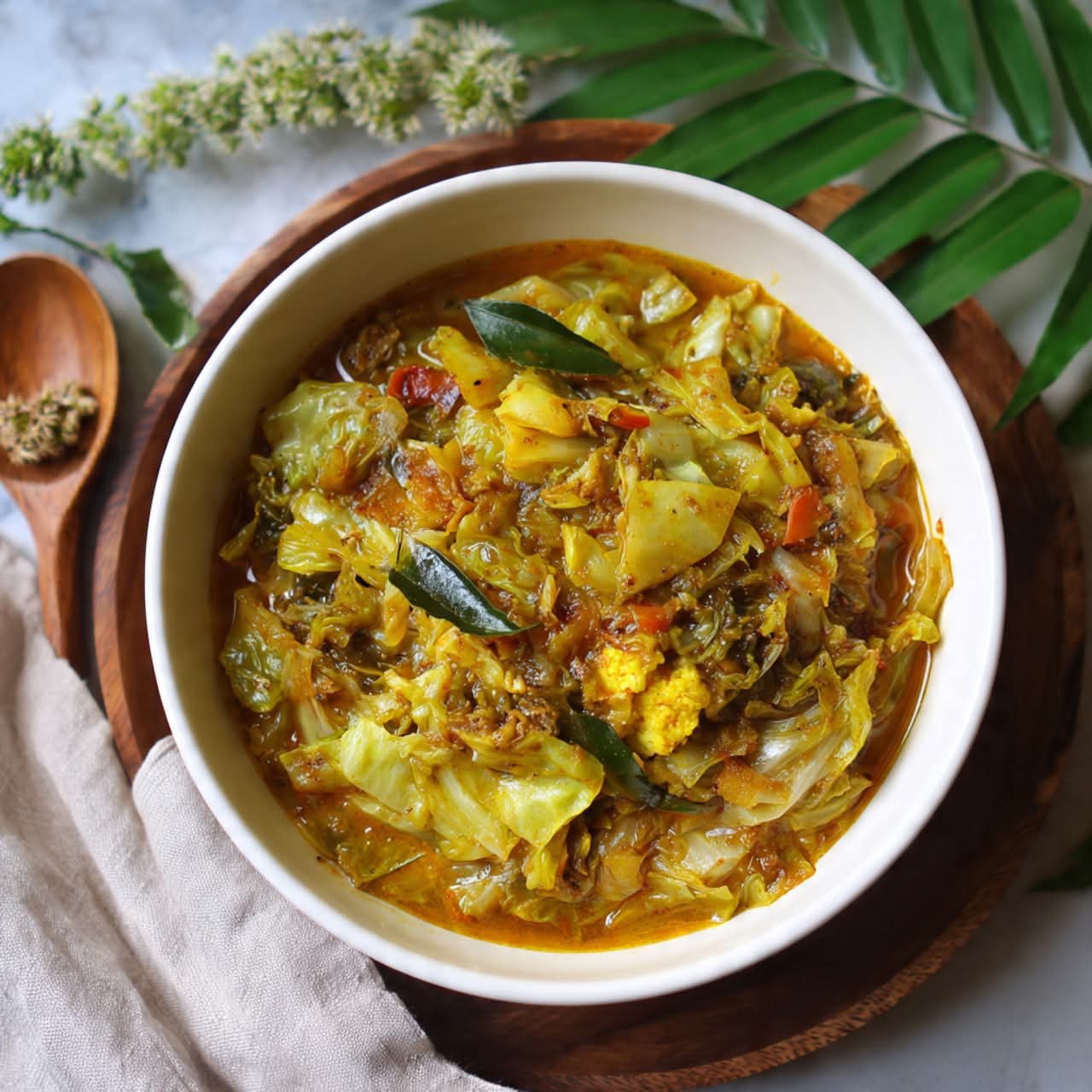
Here is a perfect recipe for winter that is adapted to everyone.
Tofu and cabbage stew
Preparation: 45 minutes plus one night
Ingredients:
1 pound frozen tofu or 2 cups cooked chickpeas (for Vata, extra ghee and ginger)
1 large onion, chopped
2 tablespoons ghee or sunflower oil
1/4 teaspoon mixed spices
1/3 teaspoon fennel seeds
1/2 teaspoon turmeric
1 turnip, chopped
1 small raw cabbage, chopped (3 cups)
1 large tomato or 1 cup tomato purée (avoid if Pitta is high)
1/2 teaspoon salt
2 teaspoons sunflower seeds
1 teaspoon pine nuts
1/2 teaspoon dried mint
Remove the tofu from the freezer the day before; freezing the tofu gives it a special texture for this dish. Wash the turnip and cut into 1 cm pieces, chop the onion and tomato. Put the ghee in a large casserole dish, add the onion and spice mixture, sauté for 1 minutes, add the turmeric and fennel. Continue to sauté until the onions are tender, add the tomato. Cut the tofu into large 4 cm pieces, add them to the sauce and stir, cover and cook for 20 minutes. Meanwhile, wash the cabbage and cut it into 3 cm pieces. When the dish is cooked, add the cabbage and cook for another 10 minutes, then add the rest of the ingredients and cook for another 2–3 minutes. Serve with plain rice
Conclusion
By following these Ayurvedic tips and adapting to winter, you can maintain balance, promote well-being, and enjoy the beauty and magic of the season. Remember to consult with an Ayurvedic practitioner or healthcare professional to determine the best approach for your unique needs and constitution.