

Vata (Air+Ether)

Pitta (Fire+Water)
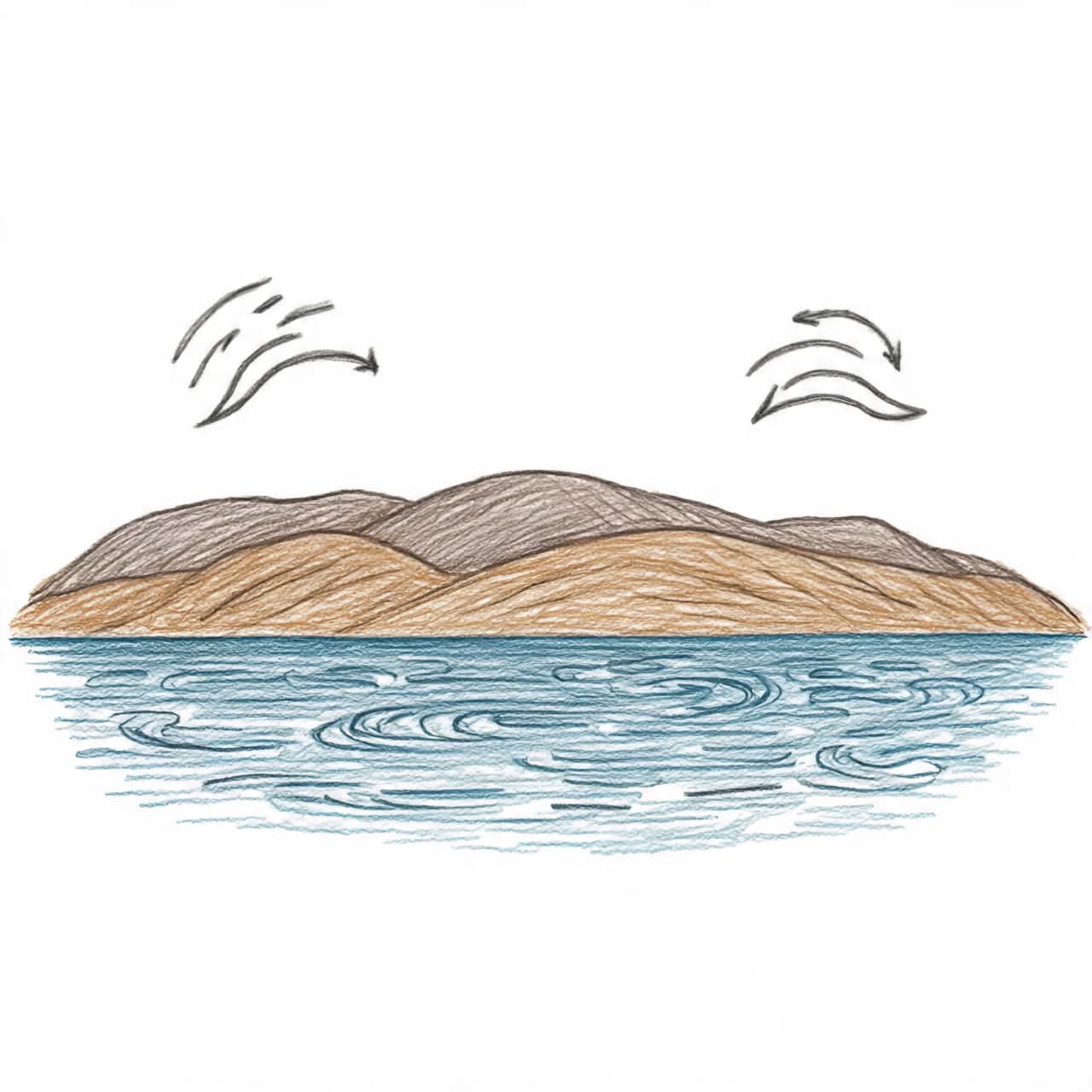
Kapha (Earth+Water)
*Understanding Ayurveda and Adapting to Fall: A Seasonal Guide*
Ayurveda is the traditional medicine and natural healing system of India. It is probably one of the oldest health care systems in the world, with roots going back over 5000 years. The term "Ayurveda" is derived from the Sanskrit words "Ayur," meaning life, and "Veda," meaning science or knowledge. This ancient system of medicine and wellness, offers a holistic approach to health that emphasizes living in harmony with nature.
This traditional practice views each individual as a unique combination of three fundamental energies or doshas: Vata, Pitta, and Kapha. Understanding your dominant dosha and adapting your lifestyle and nutrition accordingly can help you maintain balance and well-being throughout the year, including during the fall season.
*The Three Doshas*
1. Vata (Air and Ether)*: Individuals with a predominantly Vata constitution tend to be creative, energetic, and adaptable. However, when out of balance, they may experience anxiety, dry skin, and digestive issues. Vata types are often slender, with a tendency towards dryness and coldness in their body and mind.
2. Pitta (Fire and Water)*: Pitta individuals are typically intelligent, ambitious, and competitive. When imbalanced, they might suffer from anger, skin inflammation, and digestive problems. Pitta types usually have a medium build, with a warm body temperature and a tendency towards acidity.
3. Kapha (Earth and Water): Kapha individuals are known for their calmness, stability, and loyalty. Out of balance, they may experience lethargy, weight gain, and respiratory issues. Kapha types often have a sturdy build, with a tendency towards coolness and moisture in their body and mind.
*Adapting to Fall*
As the seasons change, Ayurveda recommends adjusting your diet and lifestyle to maintain balance and prevent seasonal disorders. Fall, which spans from late September to late November in the Northern Hemisphere, is associated with the Vata dosha. During this time, the air tends to be cooler and drier, which can exacerbate Vata imbalances.
General Recommendations for Fall
- *Warm and Nourishing Foods*: Incorporate warm, moist, and nourishing foods into your diet to counteract the dryness of fall. Soups, stews, and warm grains like oats and quinoa are excellent choices.
- *Favor: Sweet, Sour, and Salty Tastes*: These tastes are grounding and can help balance the dry, light qualities of Vata. Foods like sweet potatoes, citrus fruits, and fermented items are beneficial.
- *Stay Hydrated*: While it's essential to stay hydrated year-round, fall's dryness can dehydrate the body more easily. Drink warm fluids like herbal teas and broths.
- *Routine and Stability*: Establish a regular routine to ground yourself during the potentially unpredictable fall season. This includes consistent sleep patterns, meal times, and exercise.
Dosha-Specific Recommendations for Fall
Vata
- *Nutrition*: Vatas should focus on warm, heavy, and oily foods to balance their inherent dryness and coldness. Examples include warm oatmeal with nuts and seeds, root vegetables, and healthy oils like sesame oil.
- *Lifestyle*: Regular routines, warm baths, and gentle exercises like yoga can help stabilize Vata's erratic nature. It's also beneficial to prioritize sleep and relaxation.
Pitta
- *Nutrition*: Pittas can benefit from cooling and slightly drying foods to counteract their internal heat. Include sweet, bitter, and astringent tastes in your diet with foods like cucumbers, leafy greens, and cooling spices like cilantro and coriander.
- *Lifestyle*: Engage in cooling activities and avoid excessive heat. Swimming, walks in nature, and meditation can be particularly soothing for Pittas during the fall.
Kapha
- *Nutrition*: Kaphas benefit from light, dry, and warm foods to stimulate their metabolism and reduce mucus accumulation. Favor pungent, bitter, and astringent tastes with foods like spicy dishes, bitter greens, and legumes.
- *Lifestyle*: Regular and vigorous exercise, along with stimulating activities, can help balance Kapha's tendency towards lethargy. It's also important to maintain a light and active routine.
Conclusion
By adapting your nutrition and lifestyle according to your dosha and the seasonal changes of fall, you can maintain balance, enhance your well-being, and enjoy the beauty of the season. Embracing Ayurvedic principles can lead to a more harmonious and healthy life. As the leaves change and the air grows cooler, take the opportunity to nourish your body and mind according to your unique needs, and let the wisdom of Ayurveda guide you through the fall season with grace and vitality.